Read the body
Learn how cardiovascular capacity, muscle quality, sleep and stress interact across decades rather than treating performance as a single number.
Read physiology →Ijanos insight hub · 2026
Clear, evidence-aware reading for men 35+ exploring stamina, functional strength, recovery and the changing physiology of sport. Ijanos connects research with practical questions without promising shortcuts.
Explore the physiology desk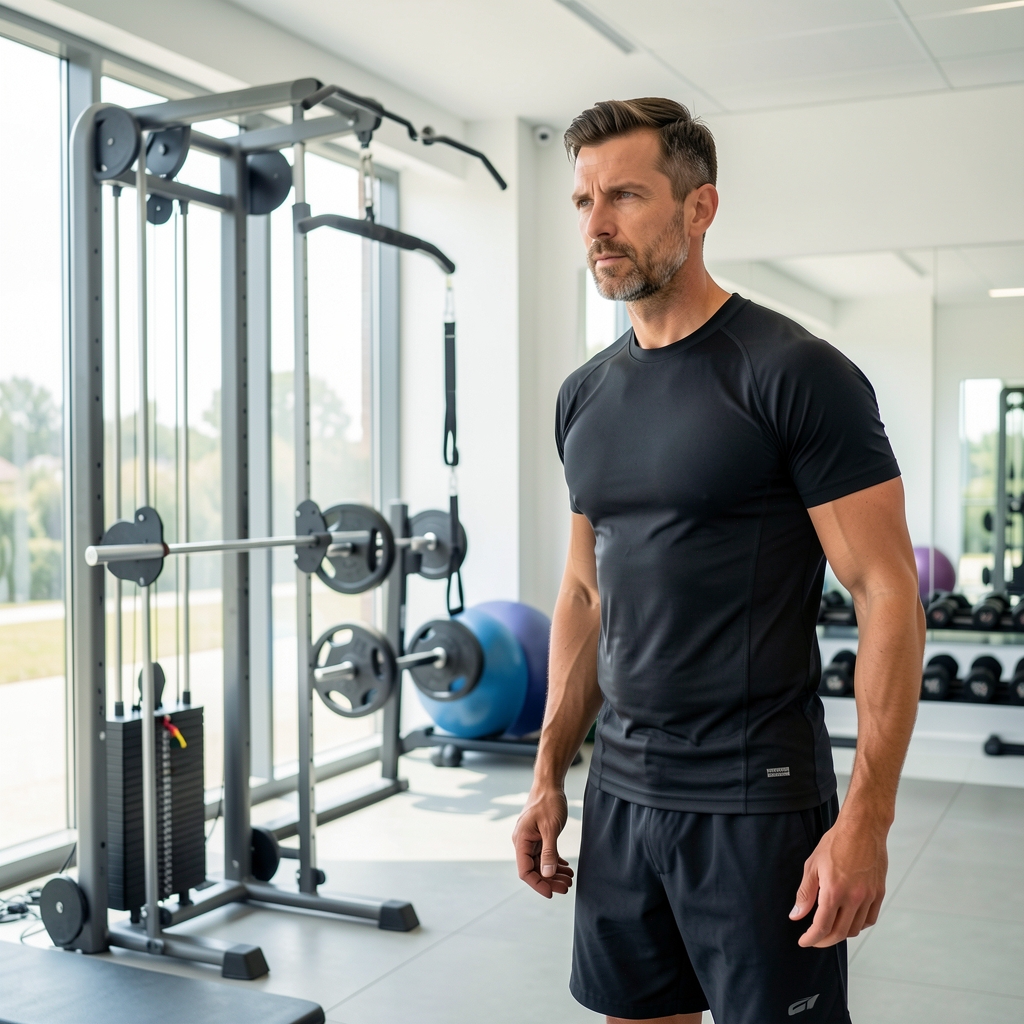
The Ijanos method
Learn how cardiovascular capacity, muscle quality, sleep and stress interact across decades rather than treating performance as a single number.
Read physiology →Explore adaptable sessions, loading principles and movement choices that respect experience, schedule and individual starting points.
Visit training →Examine sleep routines, meal structure and deload decisions as practical systems that support consistency and enjoyment.
Study recovery →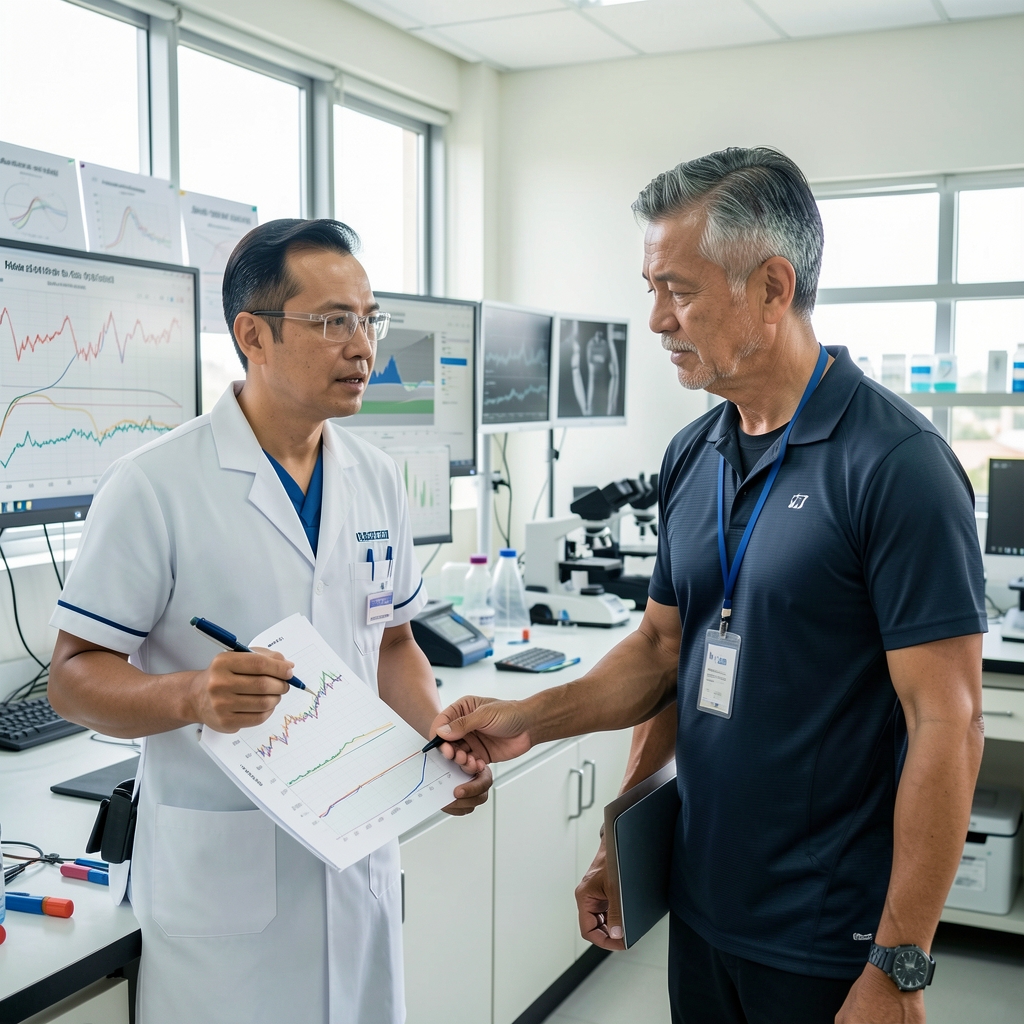
A measured perspective
Age is useful context, not a verdict. Tendons, connective tissue, nervous-system readiness and aerobic economy each change at different rates. Our editorial approach makes those details readable so a training decision can be thoughtful rather than reactive.
Guides distinguish established findings from emerging ideas and encourage readers to discuss symptoms, medication and unusual fatigue with a qualified professional.
How we evaluate material →A practical sequence
What can your current schedule and recovery resources support?
Which measurements or sensations are reliable enough to guide a change?
Can the session be repeated consistently without accumulating avoidable strain?
What did the week teach you, and what should remain unchanged?
Editorial compass
Look for the population studied, the duration observed, the outcome measured and the limits described. A clear source leaves room for uncertainty instead of hiding it.
Ask whether it fits your history, available time, current workload and personal goals. Keep useful observations in a training journal and change one meaningful variable at a time.
Read the research desk →Overview table
| Lens | Useful question | What to observe |
|---|---|---|
| Endurance | How does effort feel at a repeatable pace? | Breathing, duration and next-day readiness |
| Strength | Can technique remain consistent under load? | Control, range and recovery between sets |
| Mobility | Which positions deserve regular attention? | Comfort, symmetry and movement confidence |
| Recovery | What helps the next session feel prepared? | Sleep rhythm, appetite and general energy |
From the journal
Published 12 September 2026
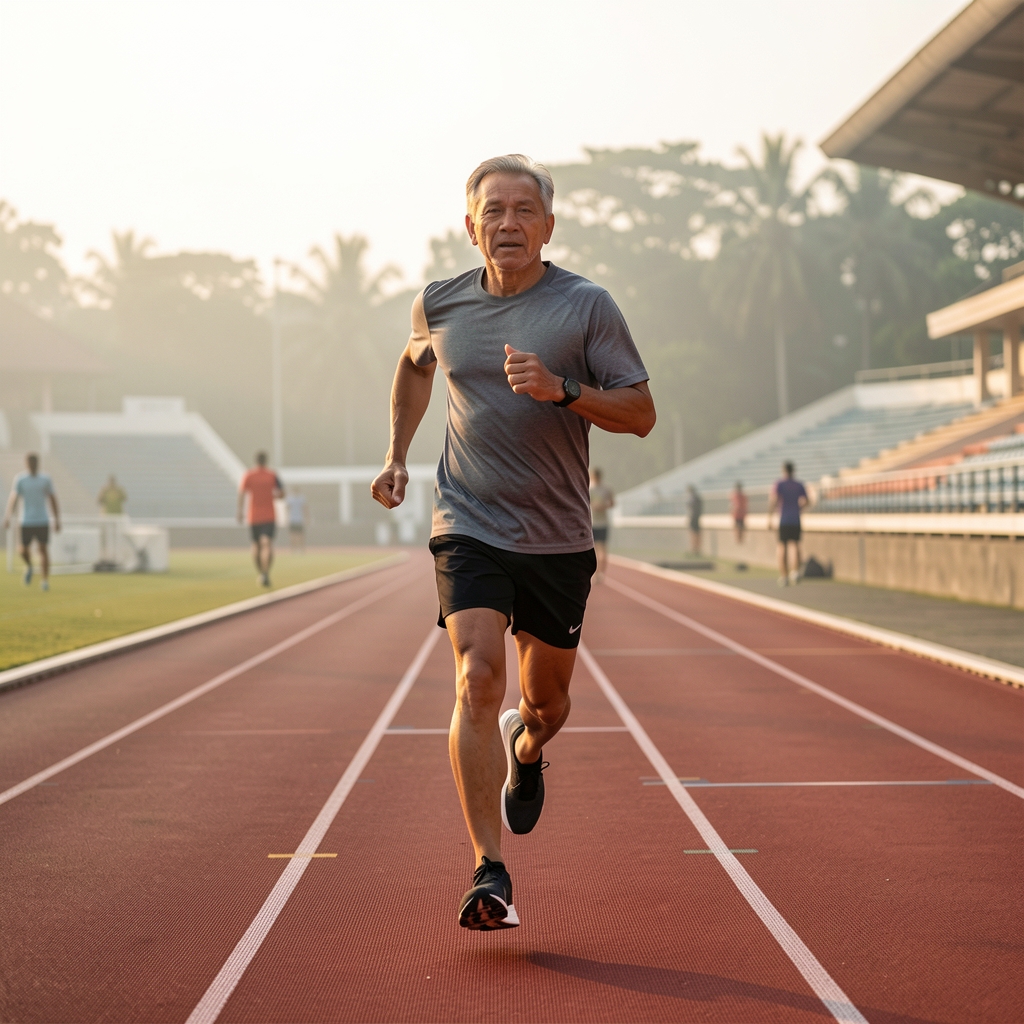
A closer look at intensity distribution, breathing and the quiet value of repeatable work.
Open feature →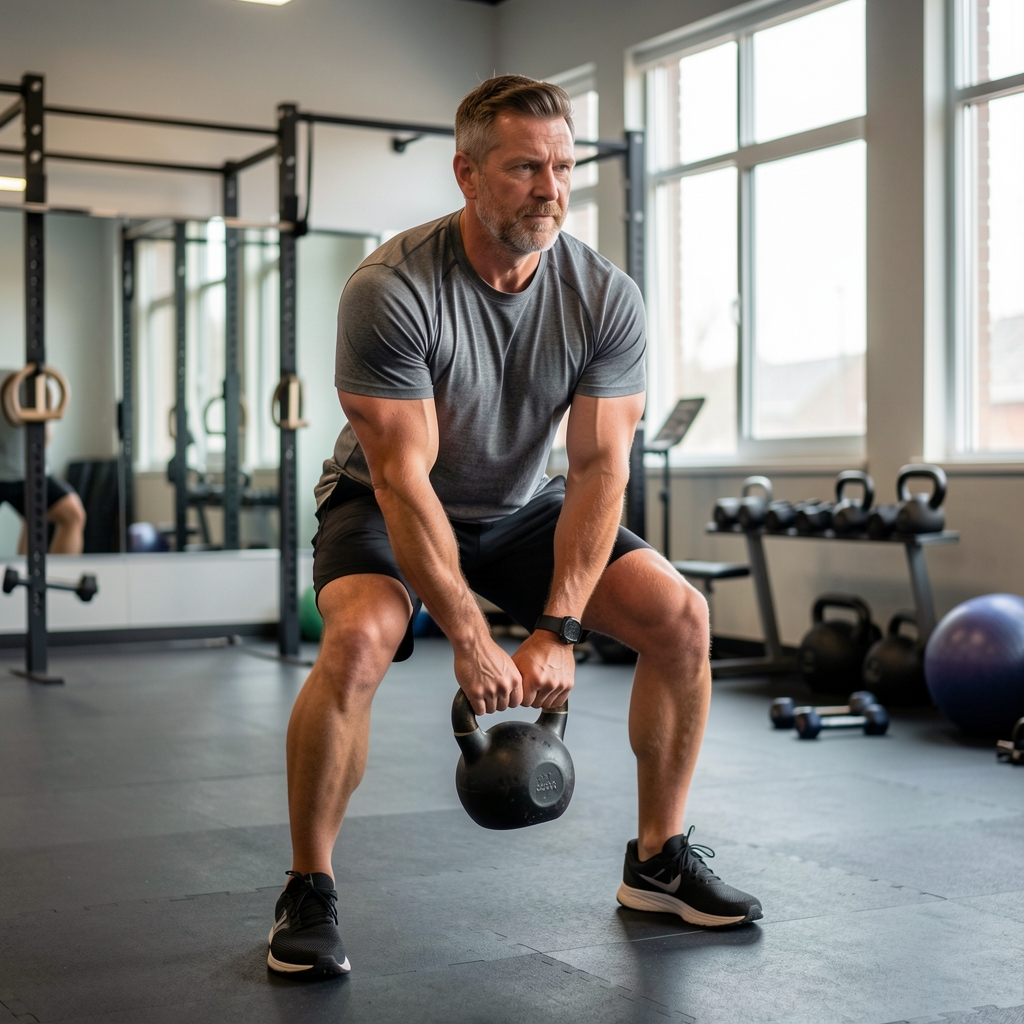
Published 5 September 2026
How controlled loading can support power, confidence and movement quality.
Open feature →
Published 28 August 2026
What to observe when readiness changes even though the programme has not.
Open feature →Key terms
The relationship between a given pace and the energy required to sustain it.
A practical description of the work completed, including intensity, duration and frequency.
A broad observation of control, coordination, range and repeatability rather than a single score.
A changing snapshot of how prepared a person feels for a particular session on a particular day.
Continue exploring
Move from a broad overview to one focused question, then compare the evidence with your own observations. The Ijanos library is organised for patient discovery rather than quick conclusions.
Browse the resource libraryA note from the editors
“The most useful plan is one that still makes sense on an ordinary Wednesday.”
Ijanos is a calm reference point: no miracle language, no pressure to purchase, and no substitute for personal medical care. Begin with a question and follow the evidence trail.
Contact the editorial desk →