Methodology
How Ijanos builds a useful article.
We start with a reader question, define the scope, locate credible sources and write within the evidence rather than beyond it.

01. Scope
State the question and audience.
02. Source
Prefer transparent and relevant material.
03. Translate
Explain terms without overselling.
04. Review
Check safety, dates and claims.
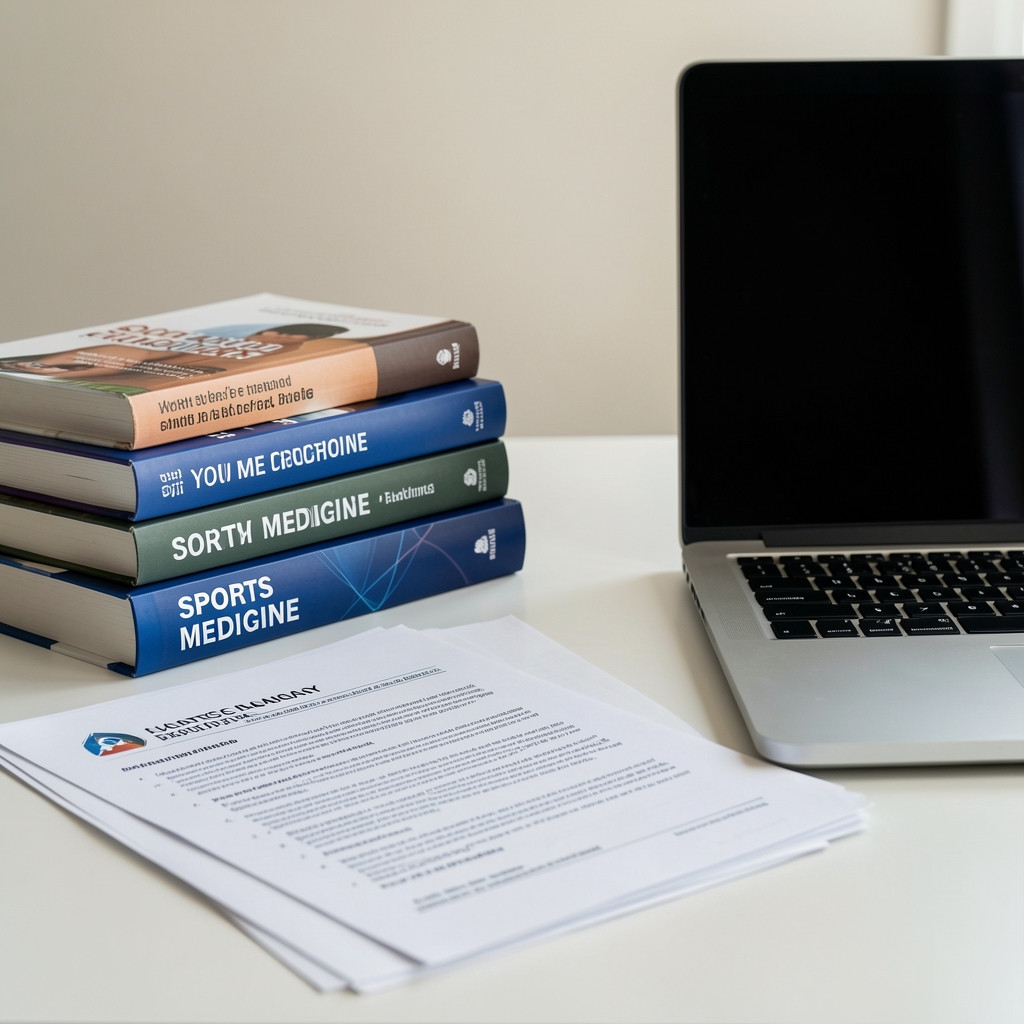
Corrections are part of quality
When a material error is identified, we review the source, amend the page and preserve a dated record of the change. Readers may contact the desk.
Read editorial policy →From question to published page
Methodology is a chain of small decisions. A source can be credible and still be a poor fit for a particular question, while a simple explanation can become misleading if its boundary is removed. Ijanos records the reasoning behind an article in proportion to its subject.
| Stage | Editorial check | Reader benefit |
|---|---|---|
| Question | Define audience, terms and scope. | Avoids answering a different question. |
| Evidence | Compare relevant sources and dates. | Shows where uncertainty remains. |
| Draft | Translate without inflating confidence. | Keeps language usable and precise. |
| Review | Check links, safety boundaries and claims. | Reduces avoidable confusion. |
Review checklist
- Does the headline describe the page without promising a personal outcome?
- Are unfamiliar terms defined before they carry an argument?
- Does the article distinguish observation from interpretation?
- Are limitations visible near the relevant claim?
- Are images and captions consistent with the text?
- Read once for accuracy.
- Read again for clarity and tone.
- Read a final time for boundaries and dated links.
Corrections are part of the method
“A correction is not a failure of curiosity; it is evidence that the page remains accountable to its sources.”
Readers can report a specific issue through the contact page. The desk aims to acknowledge a report within seven days and review ordinary factual corrections within 30 days.