Aerobic economy
Efficient movement can reduce the cost of a familiar pace and make consistency easier to maintain.
Physiology desk
Published 8 August 2026
Sports physiology becomes more useful when it explains ordinary experiences: a slower warm-up, a heart rate that drifts, or a strength session that feels different after poor sleep.
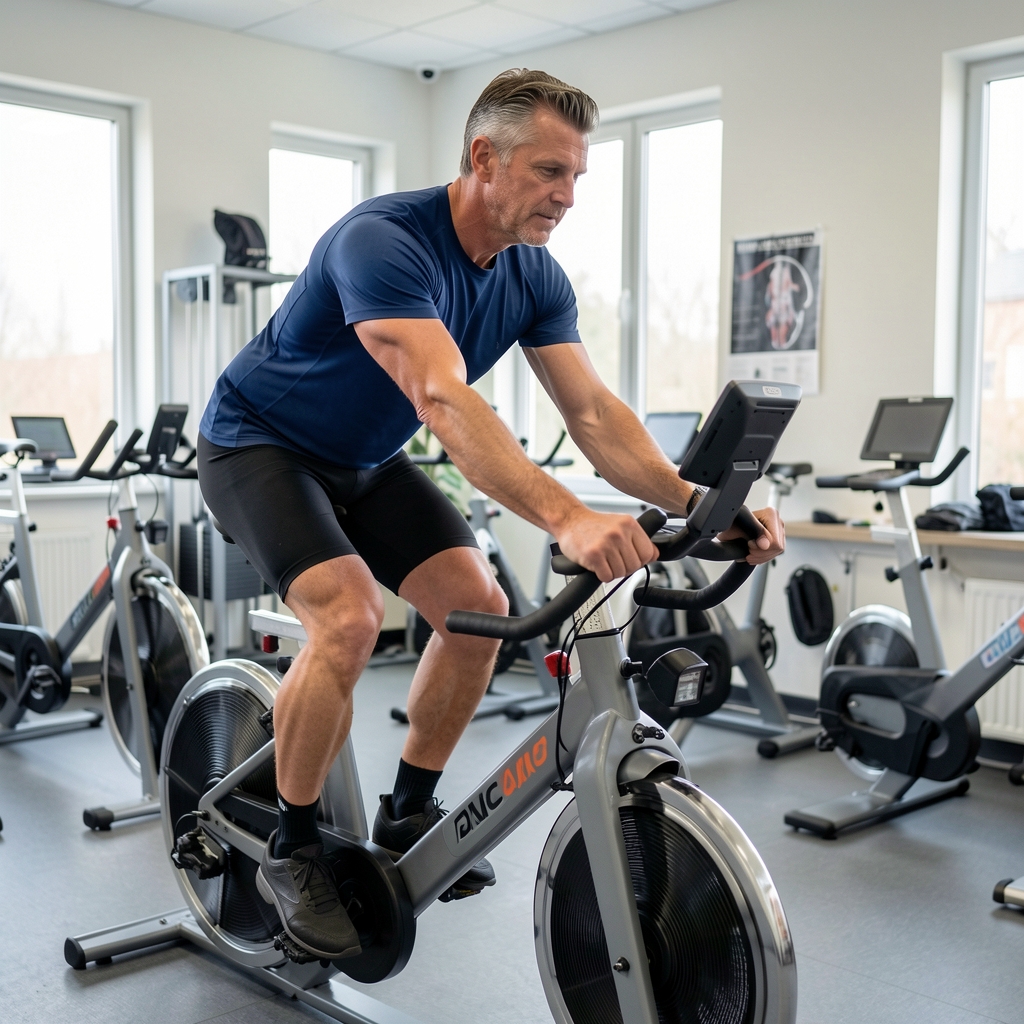
Efficient movement can reduce the cost of a familiar pace and make consistency easier to maintain.
Strength is more than size; coordination, force control and tissue tolerance shape useful performance.
Sleep, stress and recent workload influence how the same session is experienced.


Wearables can offer trends, but a number needs context. Compare similar routes, notice changes in perceived effort and avoid treating a single reading as a diagnosis. If breathlessness, chest discomfort or unusual fatigue appears, stop and seek qualified medical advice.
Visit the research desk